

The origin
In early 2020, my co-founder Melisa and I were traveling through Mexico when the pandemic brought everything to a halt. At the time, we were already operating La Candidieta and the early version of Capitall under Tripping Cats OÜ. As yoga studios shut down alongside thousands of other in-person businesses, we watched communities disappear almost overnight.
Studio owners suddenly had to reinvent the way they operated. Classes moved online, payments became digital, and student management had to happen remotely. Most existing tools were either built for large gyms or assembled from disconnected booking software, spreadsheets, and payment platforms. Very little was designed specifically for yoga studios or the realities of small independent operators.
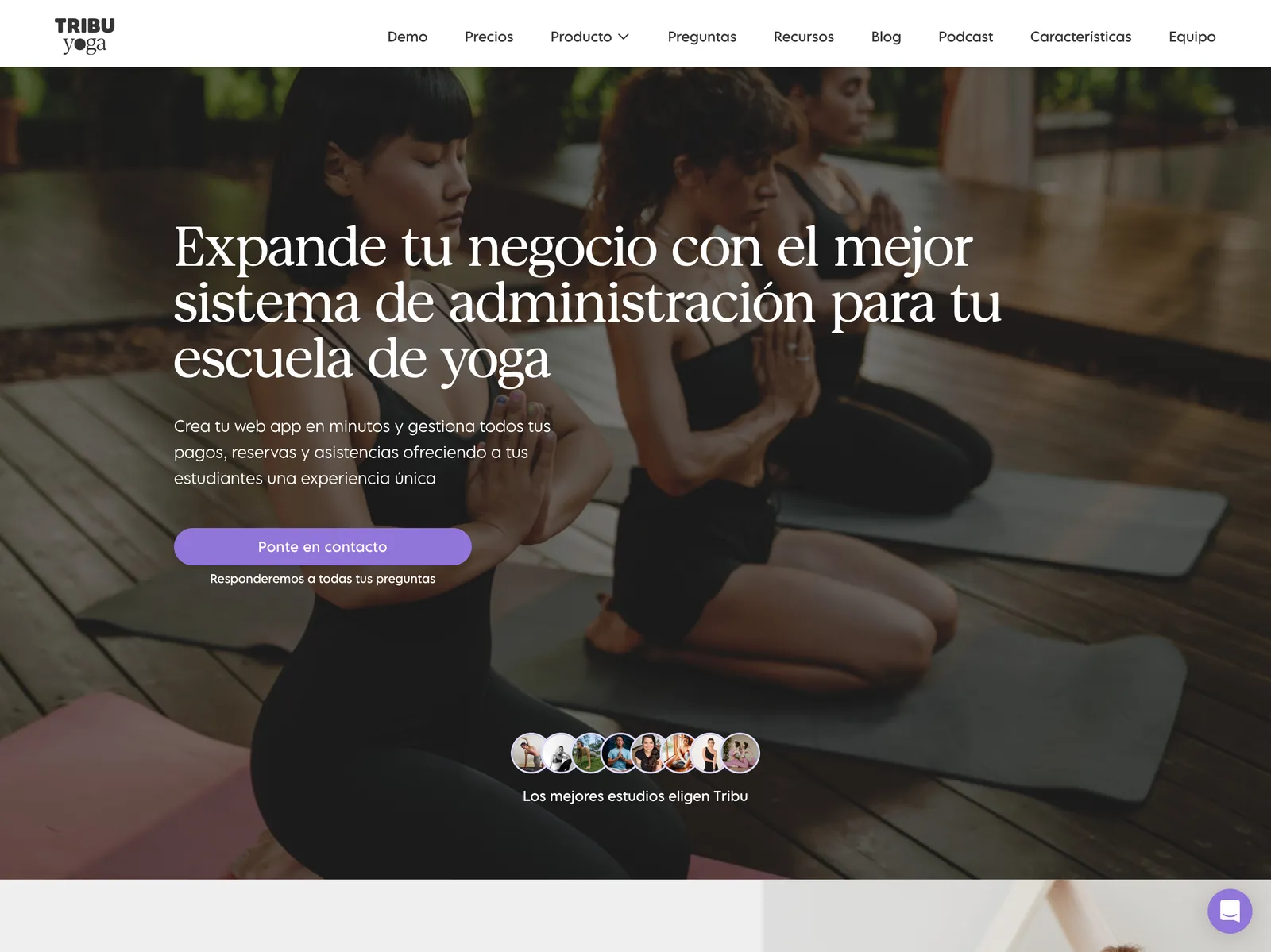
Tribu Yoga began as a direct response to that gap. From the beginning, the goal was to build for the Latin American market at scale. Over time, the platform expanded into Europe and North America as well.
What it does
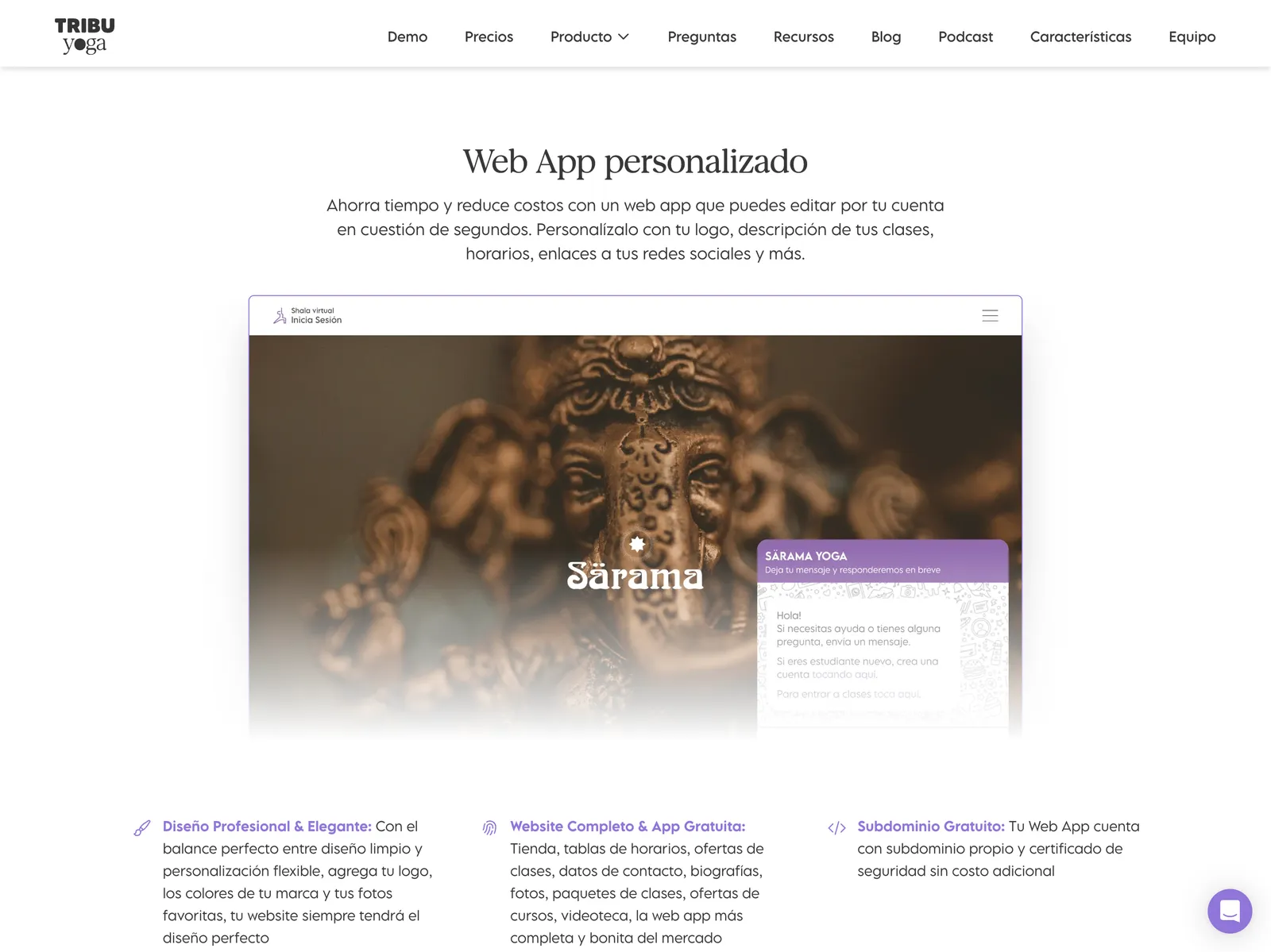
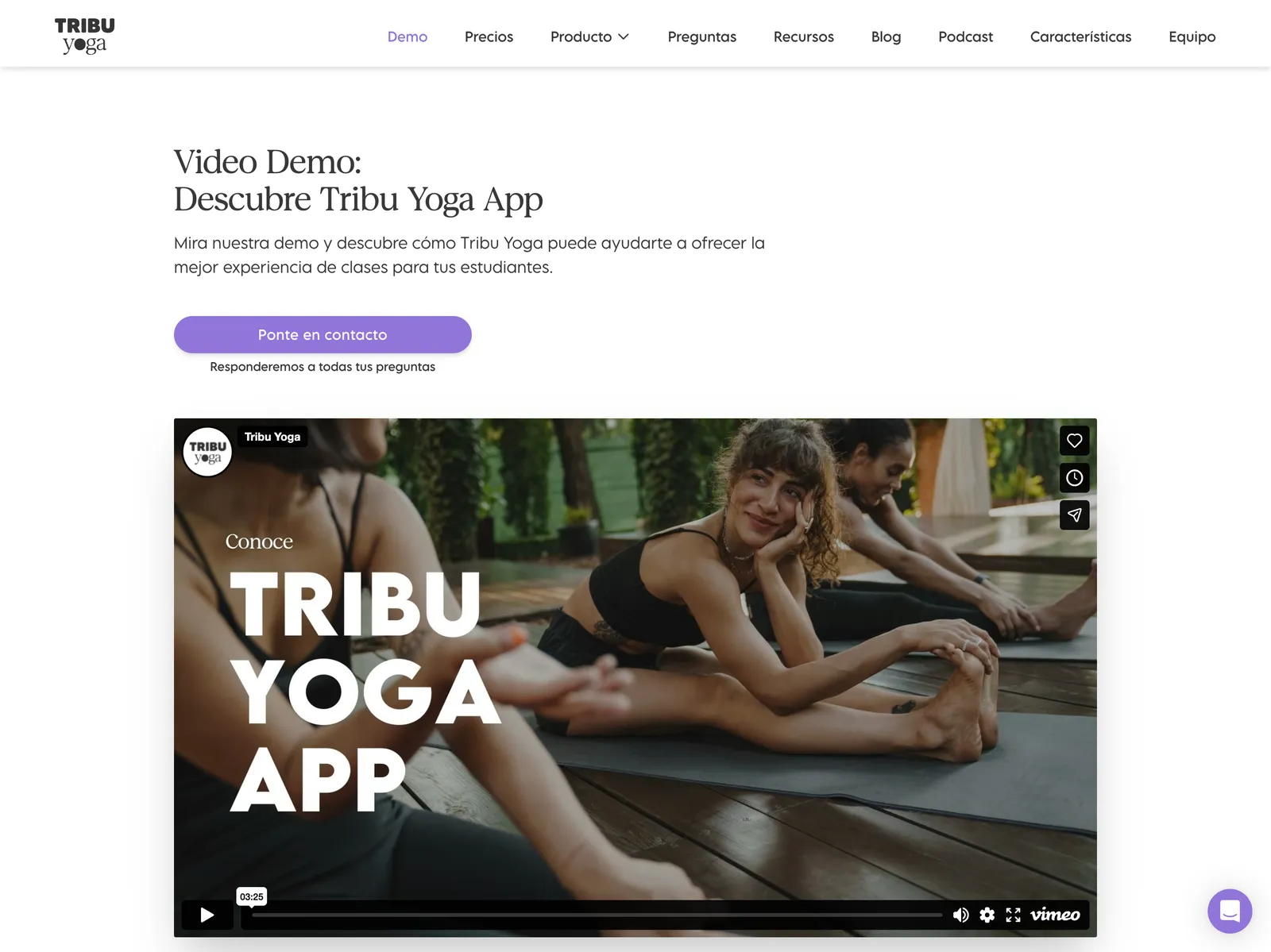
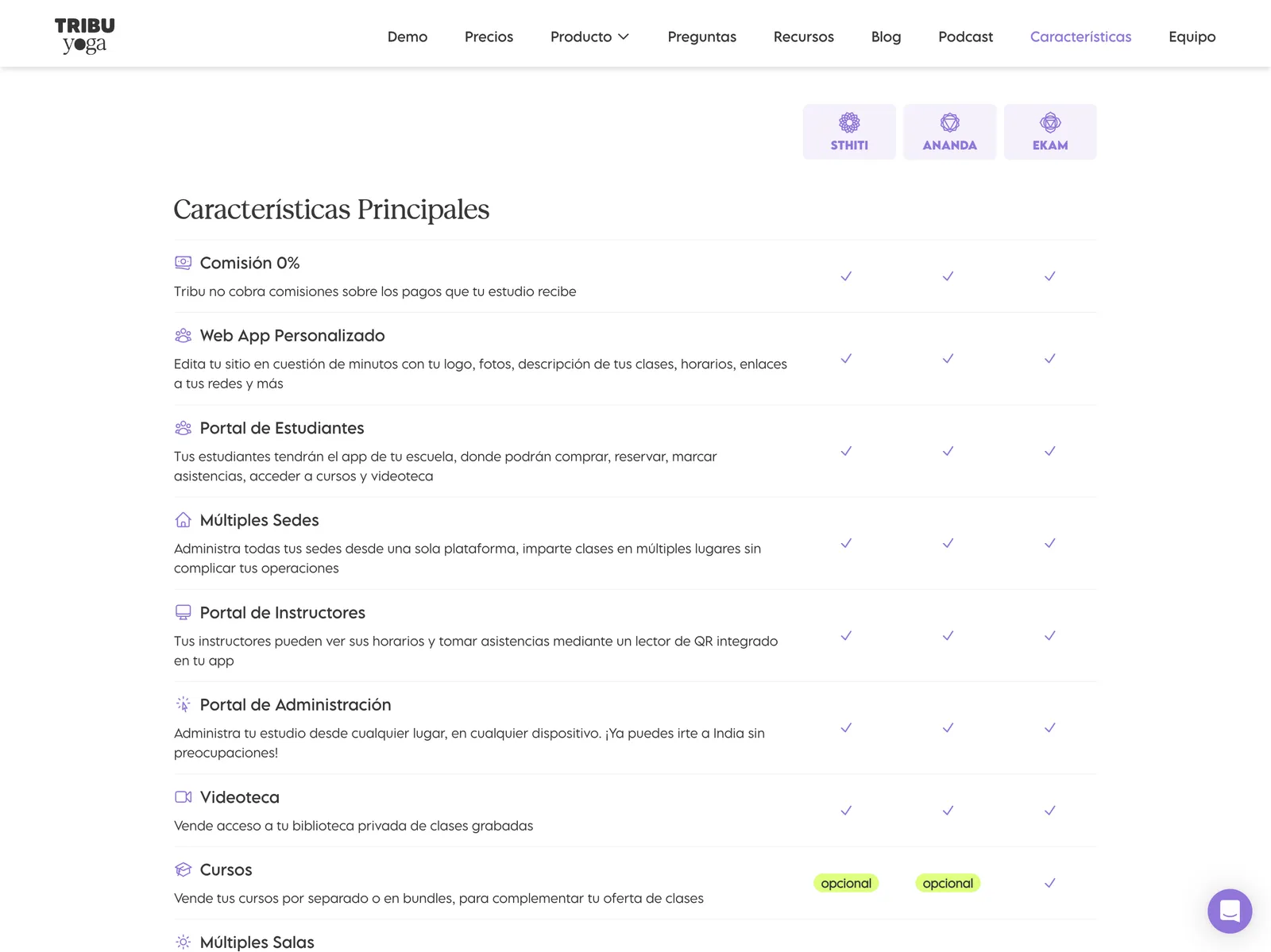
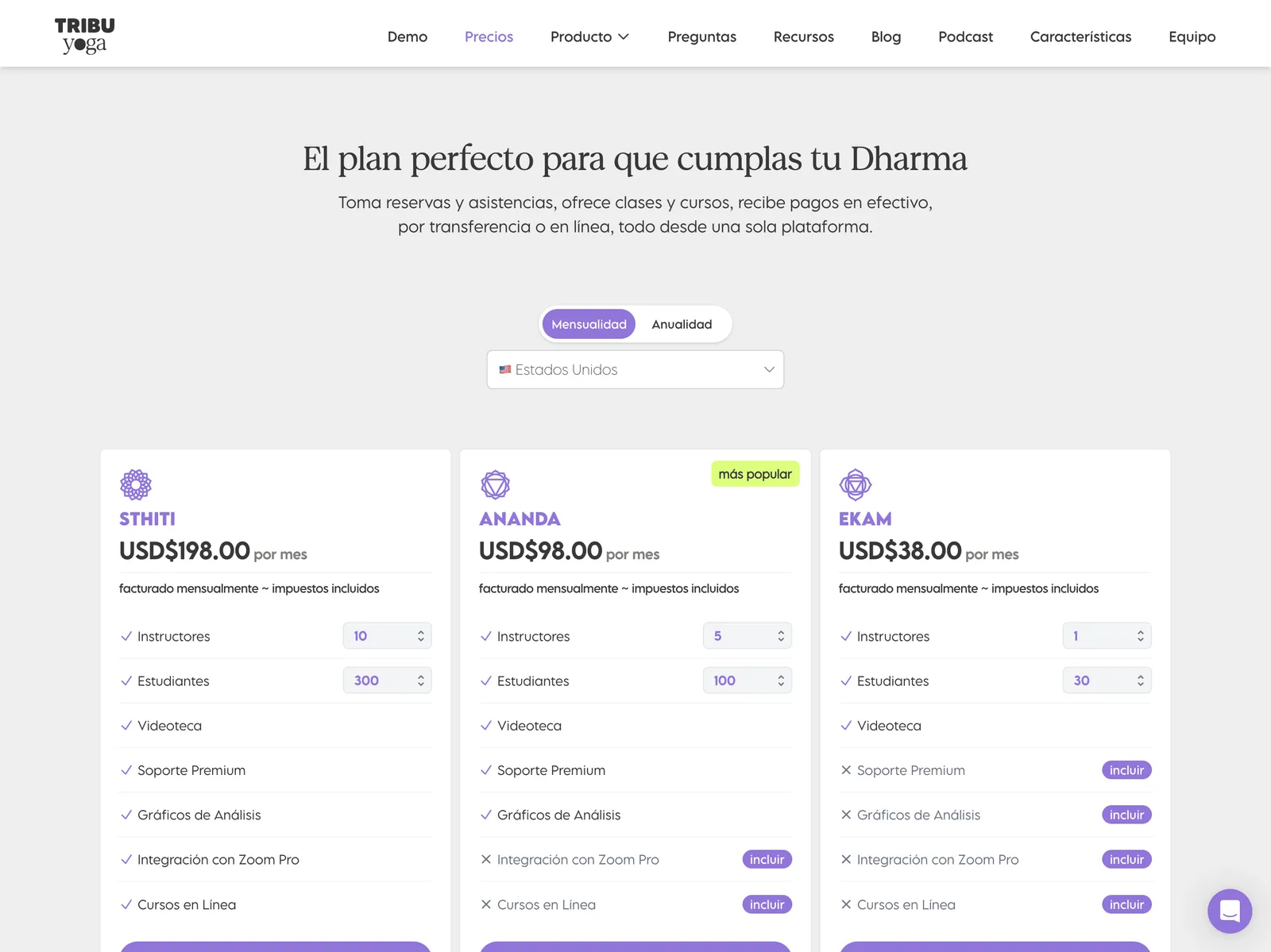
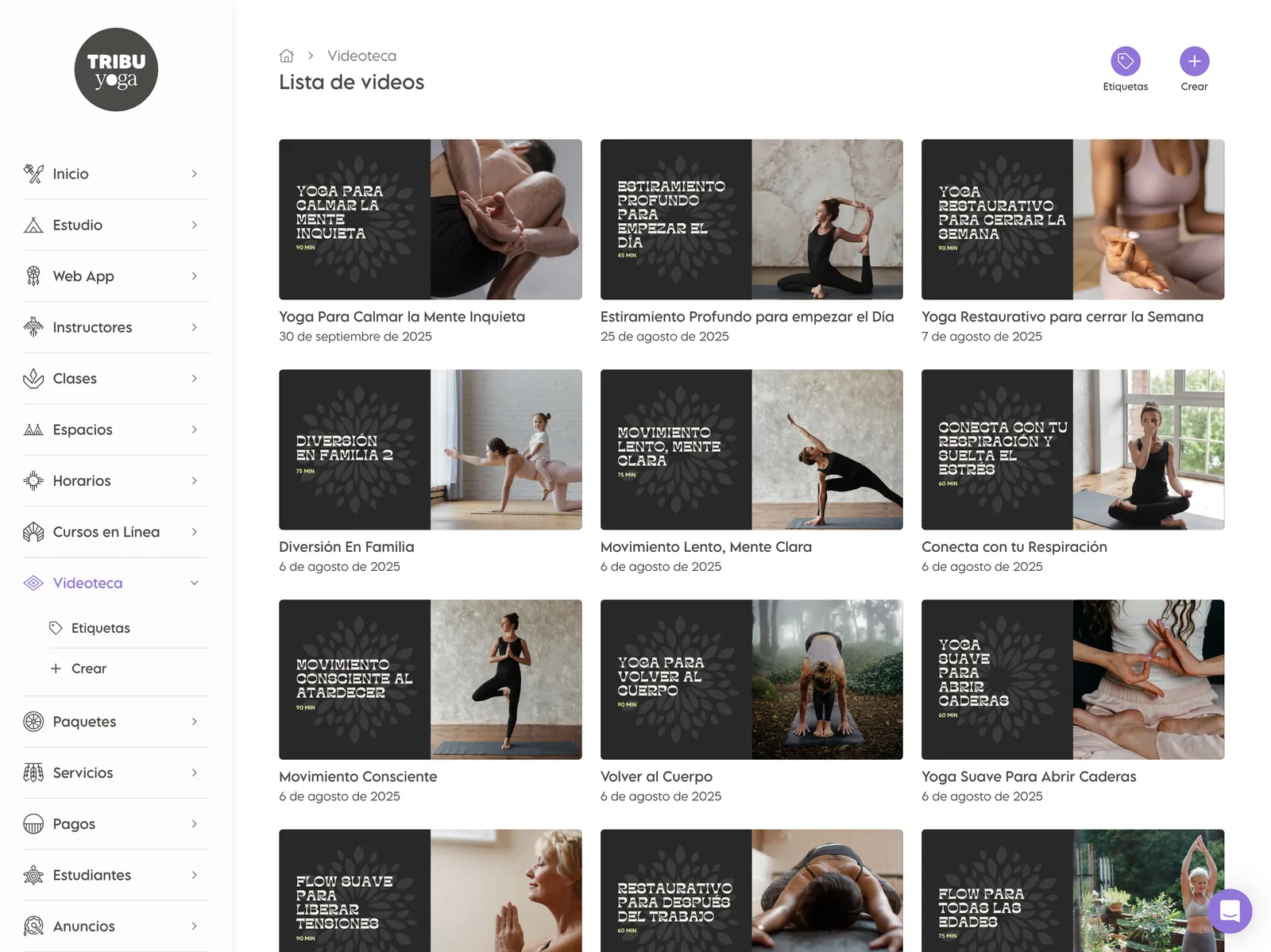
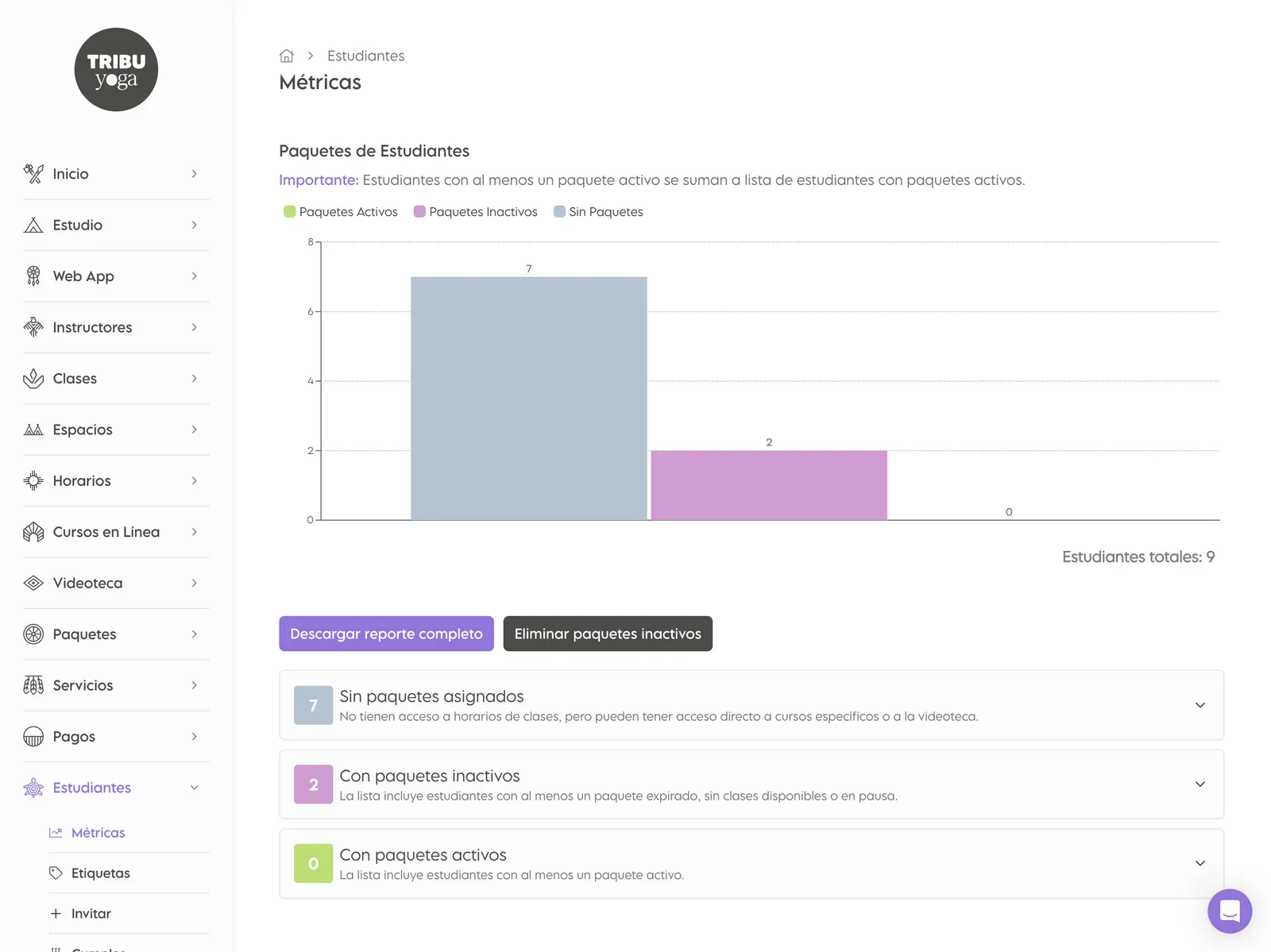
Tribu Yoga consolidates the operational side of running a studio into a single multi-tenant platform. Scheduling, payments, virtual classes, student management, content delivery, and studio communication all live within the same system, with dedicated subdomains and localized integrations for each studio.
Since launching in 2020, the platform has supported more than 250 yoga studios across 16 countries, serving over 15,000 students and facilitating more than 500,000 class bookings.
The arc
The progression from Senior Developer to Web Architect and eventually CTO wasn't a planned career ladder. Each role emerged because the platform demanded it.
At first the work was straightforward: build the features studios needed to operate. As the product expanded internationally, the harder problems turned architectural — multi-currency payments, regional regulations, time zones, and country-specific integrations all pushed the system beyond feature work into real infrastructure.
Later the hard part was operational. Running engineering at that scale meant building systems that held up consistently across countries, customer expectations, and edge cases I couldn't predict.
The titles just tracked that growing complexity — they were never the point.
The hardest technical decision
Early in the project, I seriously considered building native mobile apps. At the time, browser-based push notifications were still unreliable, and yoga studios depend heavily on engagement loops: reminders, booking confirmations, cancellations, and payment notifications.
A native app would have solved that cleanly — but I still chose the web. It came down to leverage: one codebase, one deployment pipeline, instant updates, and no waiting on app store approval cycles. The cost was putting more work into engagement systems without native advantages. What I got back was years of faster iteration and onboarding that worked across countries with no friction.
Years later, that tradeoff has clearly paid off.
The hardest operational moment
In 2025, FaunaDB announced its shutdown with a tight migration timeline. Tribu Yoga had been built on top of it. That meant migrating more than half a million production records — along with nearly five years of accumulated functionality — while studios continued running classes on the platform.
After evaluating both SQL and NoSQL alternatives, I chose MongoDB Atlas for its operational maturity and flexibility. The migration was completed over a three-month sprint without taking production offline.
The experience reinforced a lesson I now take seriously: infrastructure portability matters. Proprietary systems can disappear on someone else's schedule, and when they do, you inherit the consequences immediately.
The customer truth
After years of running Tribu Yoga across different countries and markets, the clearest lesson is also a plain one: customers pay to have a real problem solved, not for a story about software.
A polished interface, good branding, and a long feature list all help — but none of it matters if the underlying problem isn't painful enough. When the product genuinely improves something customers already have to do, they'll forgive the rough edges. When it doesn't, no amount of positioning or technical polish will save it.
In the end, that's what decides whether the business exists at all.
Screenshots