The context
My co-founder Melisa and I have spent years building products together: Tribu Yoga, La Candidieta, Capitall, and Content Seed.
Alongside those shared ventures, she also runs an independent design and brand strategy practice serving clients across both Spanish and English-speaking markets.
In 2023, she asked me to build her portfolio site. Compared to the SaaS platforms we'd already developed together, it was a relatively small project. But in a different sense, it carried a different kind of pressure: this time I was building against her standards as a designer, rather than collaborating on shared product decisions.
Why build it personally
Melisa has an unusually high standard for visual detail, performance, and overall design quality. After years of working together, we had developed a shared understanding of what "finished" should feel like, which made it more natural to build the project internally than outsource it elsewhere.
We both knew the level of refinement the site needed before it could be considered complete.
The technical decisions
One of our goals was to keep the project as self-contained and durable as possible.
The site was built without dependencies on third-party CMS platforms or services that could later introduce pricing pressure, technical limitations, or migration headaches. Content lives directly in the repository, and the site itself is statically generated. Hosting is effectively the only external dependency.
The site originally ran on Next.js. In 2026 I moved it to Astro, which is a much better fit for a content-driven site: it ships zero JavaScript by default, so React now loads only for the few pieces that genuinely need it. It was a low-risk environment to make that kind of architectural decision without major operational consequences.
The multilingual angle
The site supports both Spanish and English because that reflects Melisa's actual client base.
The multilingual setup wasn't added as a technical exercise or portfolio feature. It was a practical requirement. Her work is viewed internationally, and the experience needed to feel consistent regardless of language without splitting the brand across multiple domains or disconnected experiences.
Why this project belongs here
Most of my work is SaaS platforms and operational systems, where success means the thing holds up under load. This is the other discipline: a static, content-driven site where success means it looks and feels like the person it belongs to.
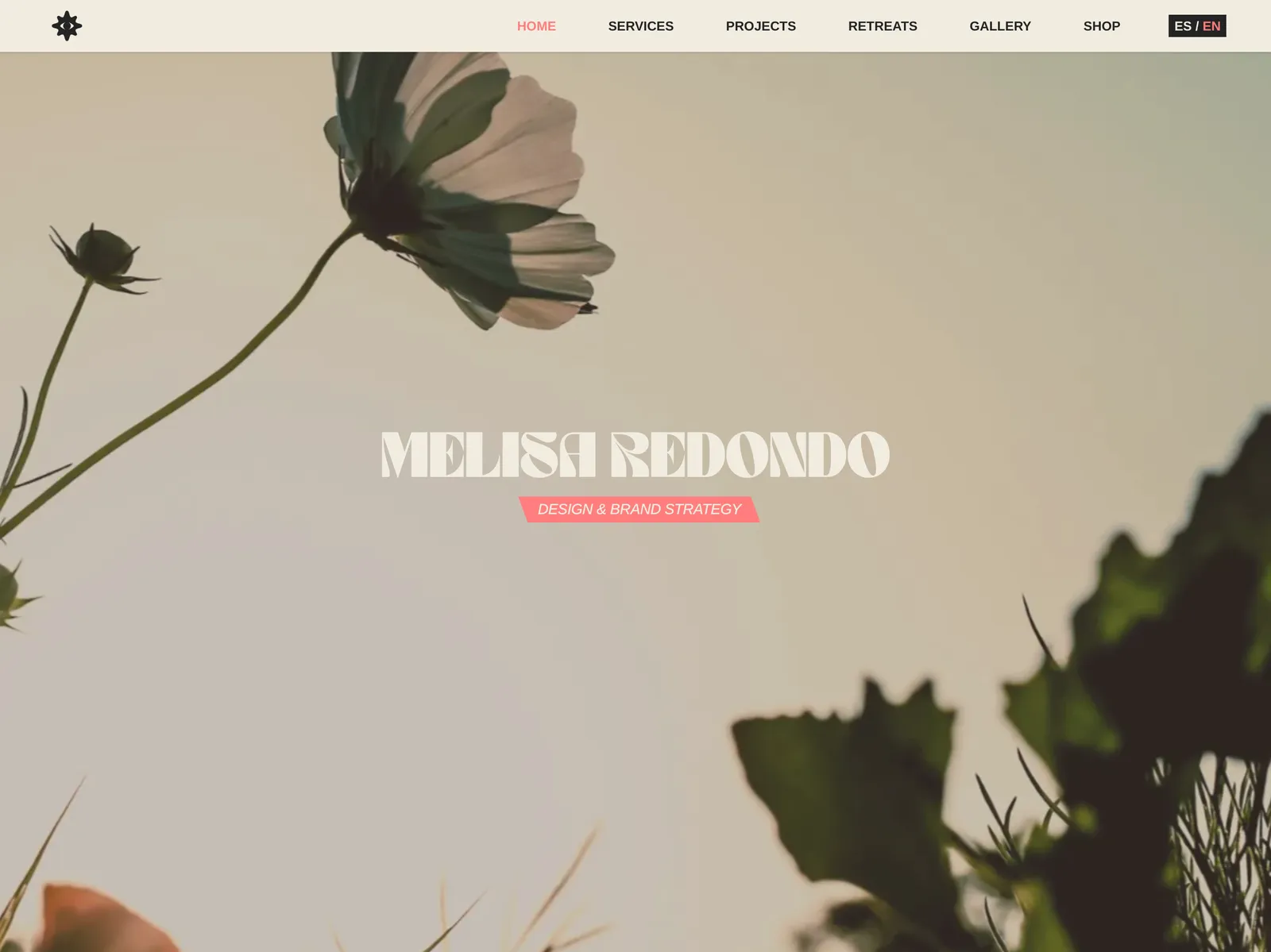
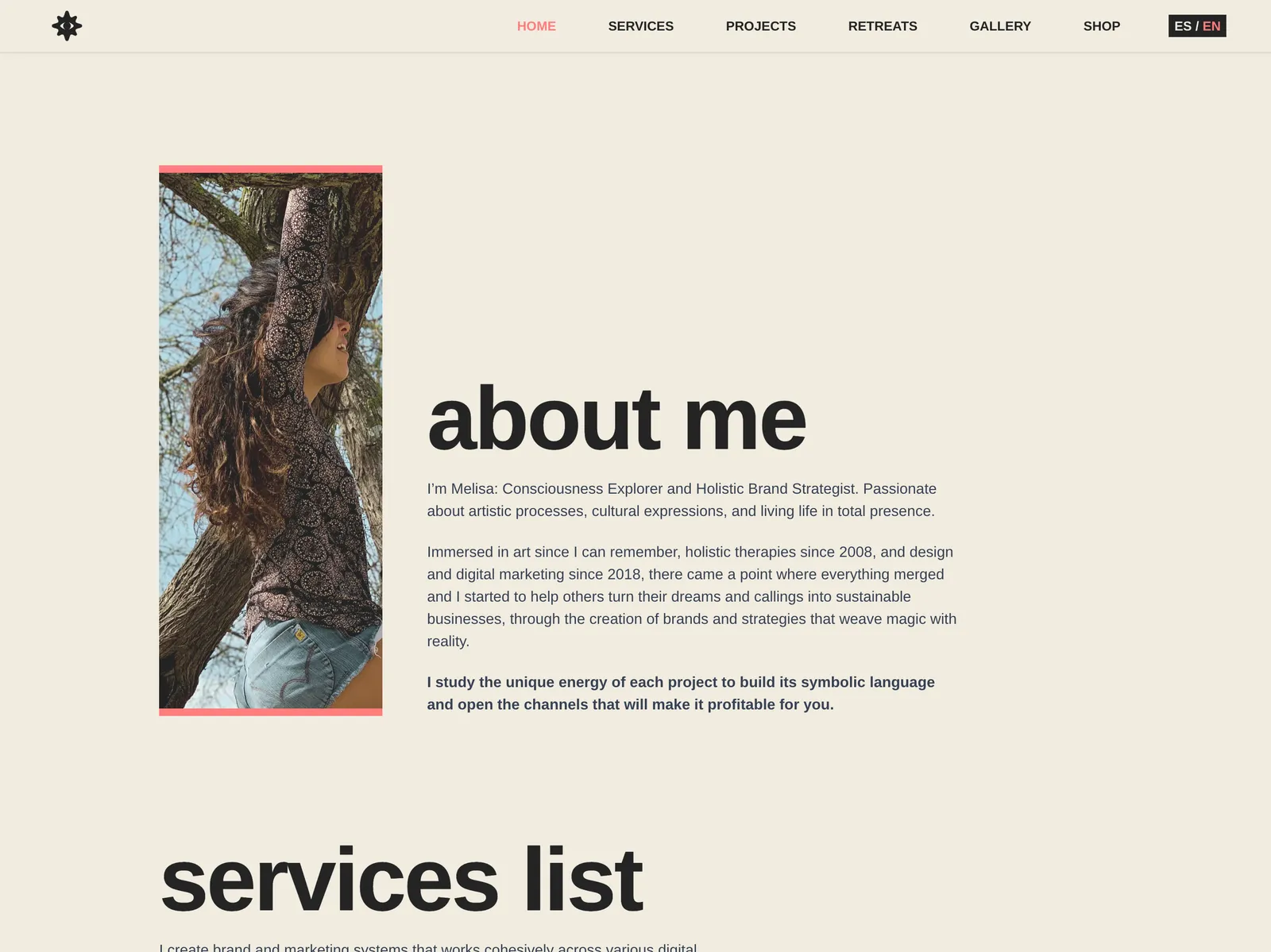
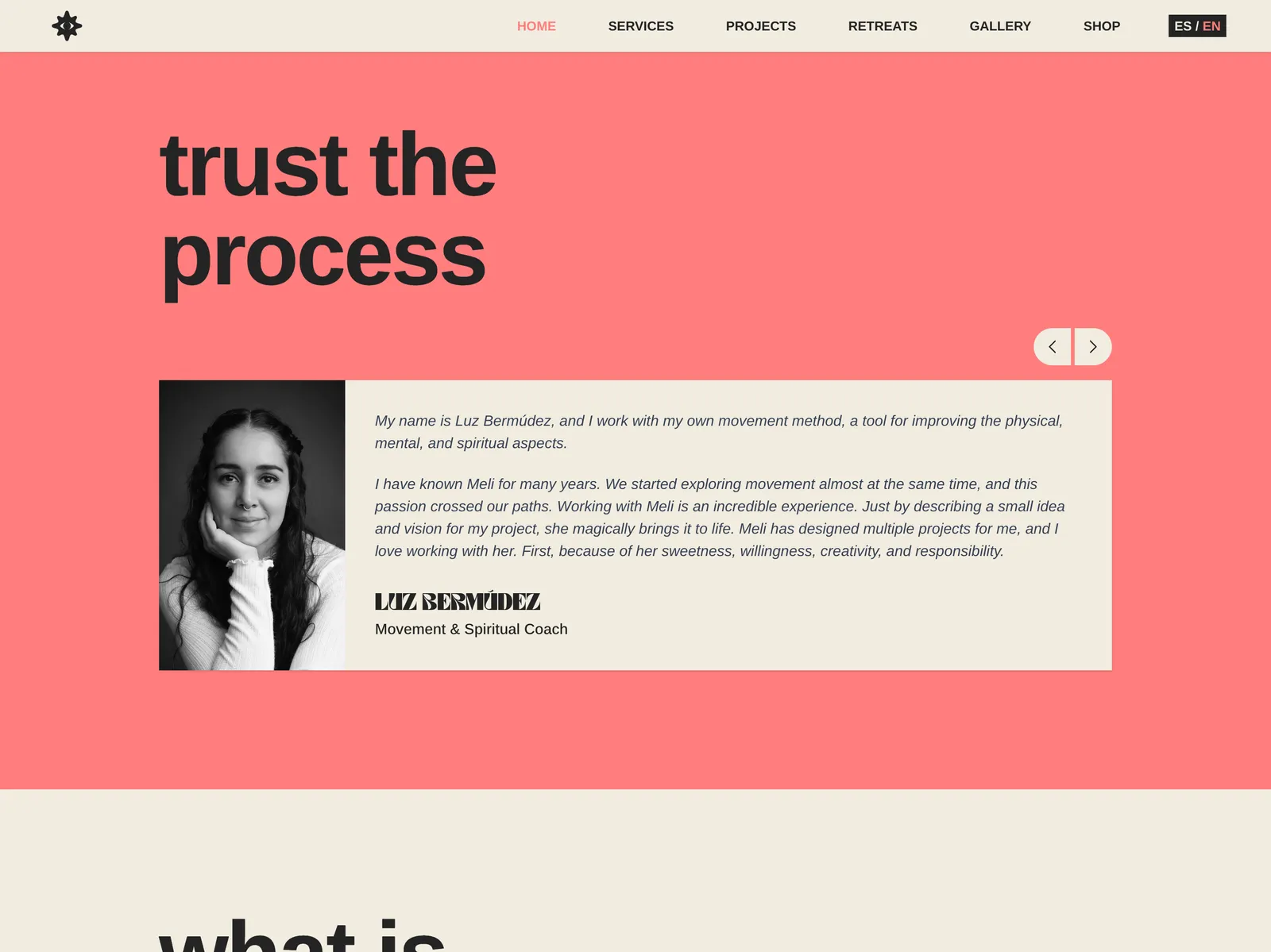
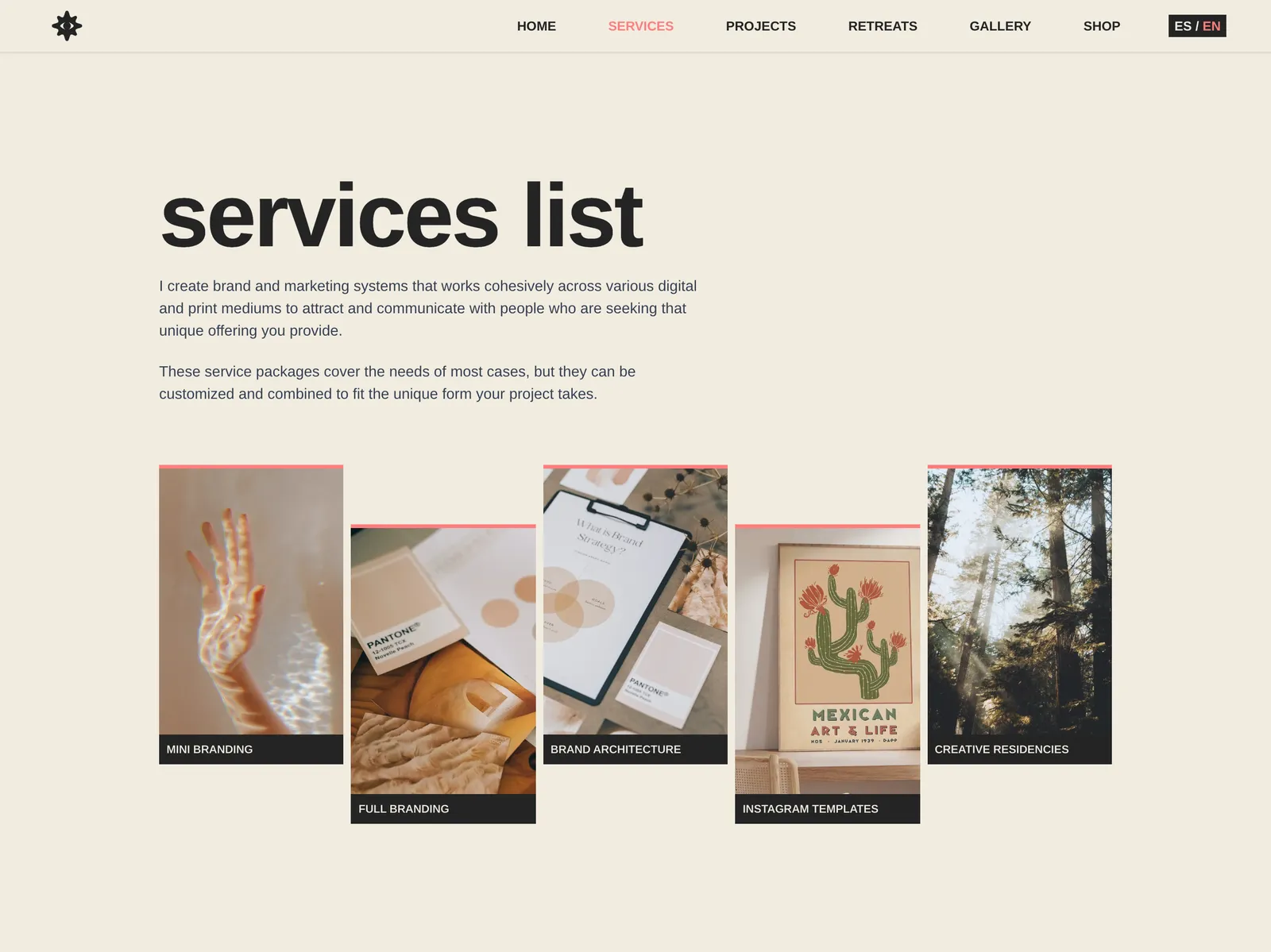
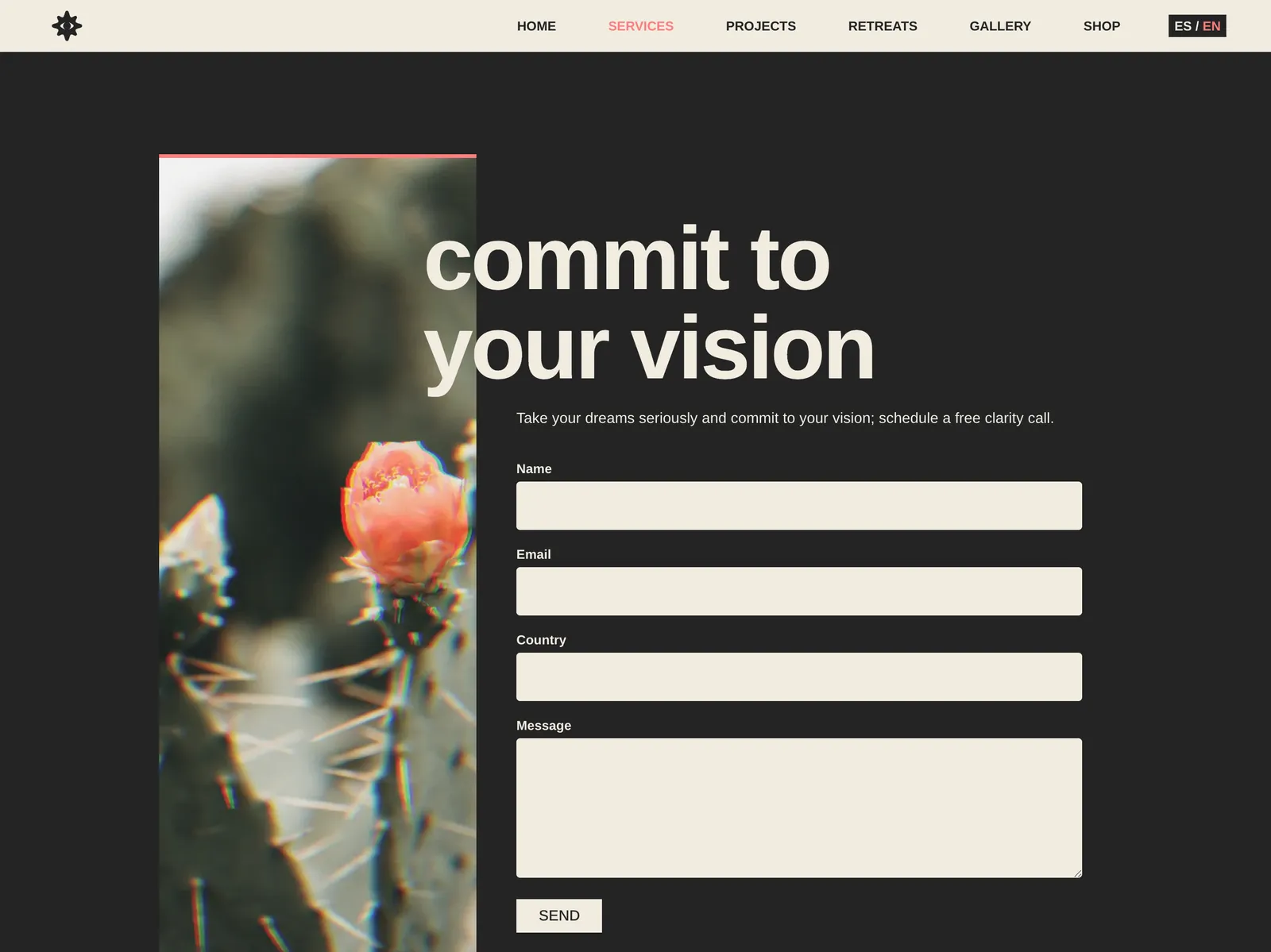
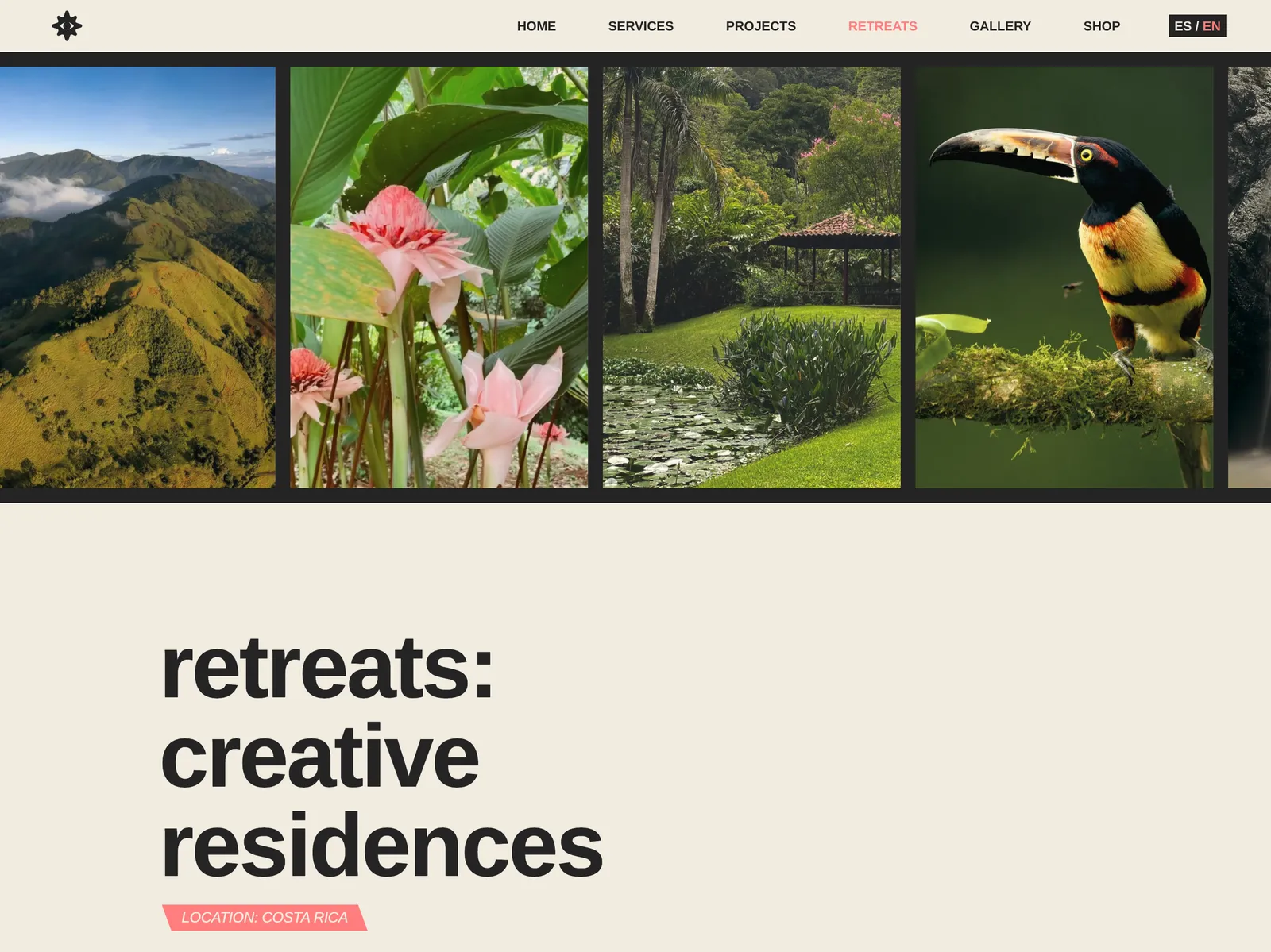
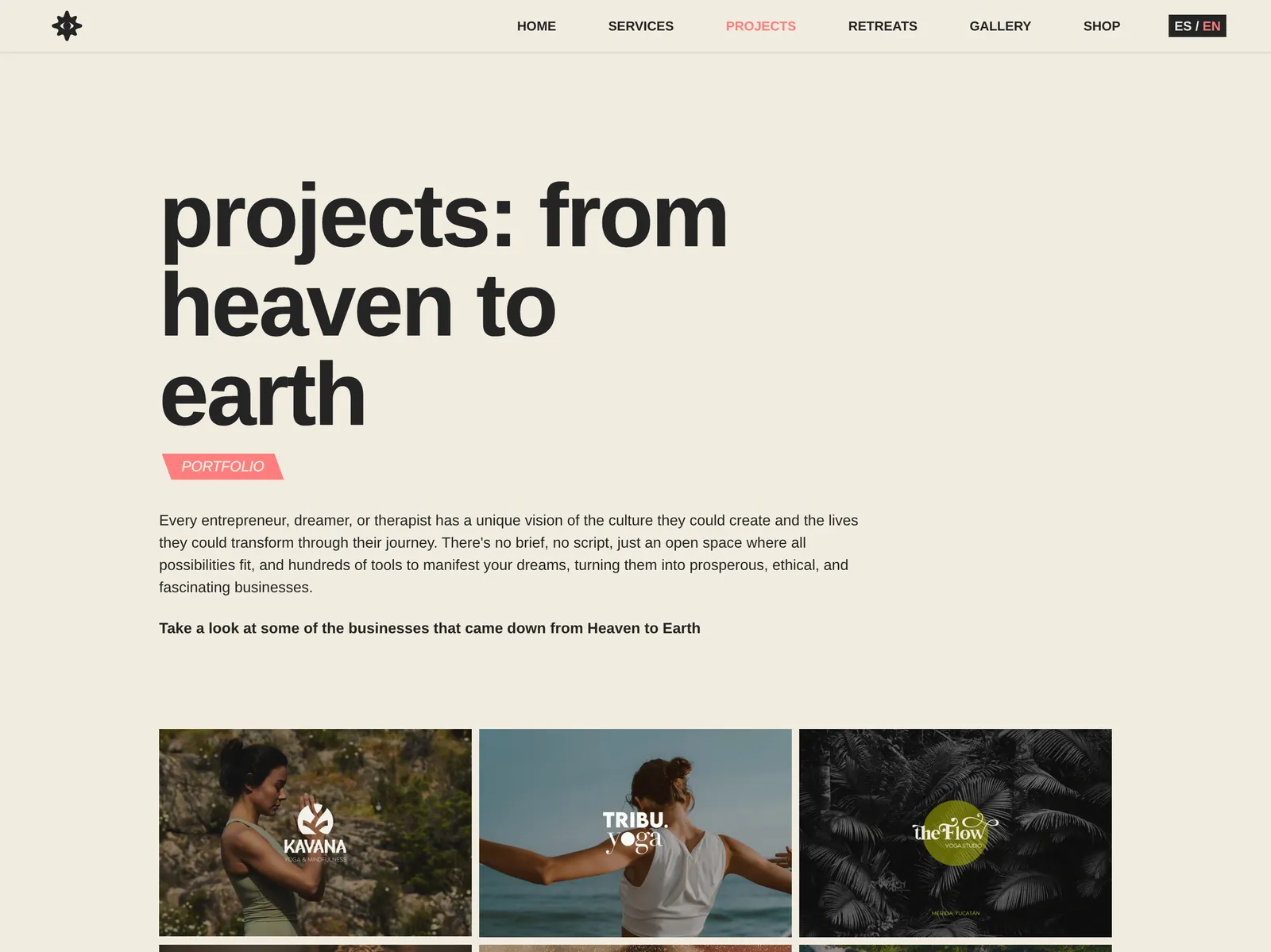
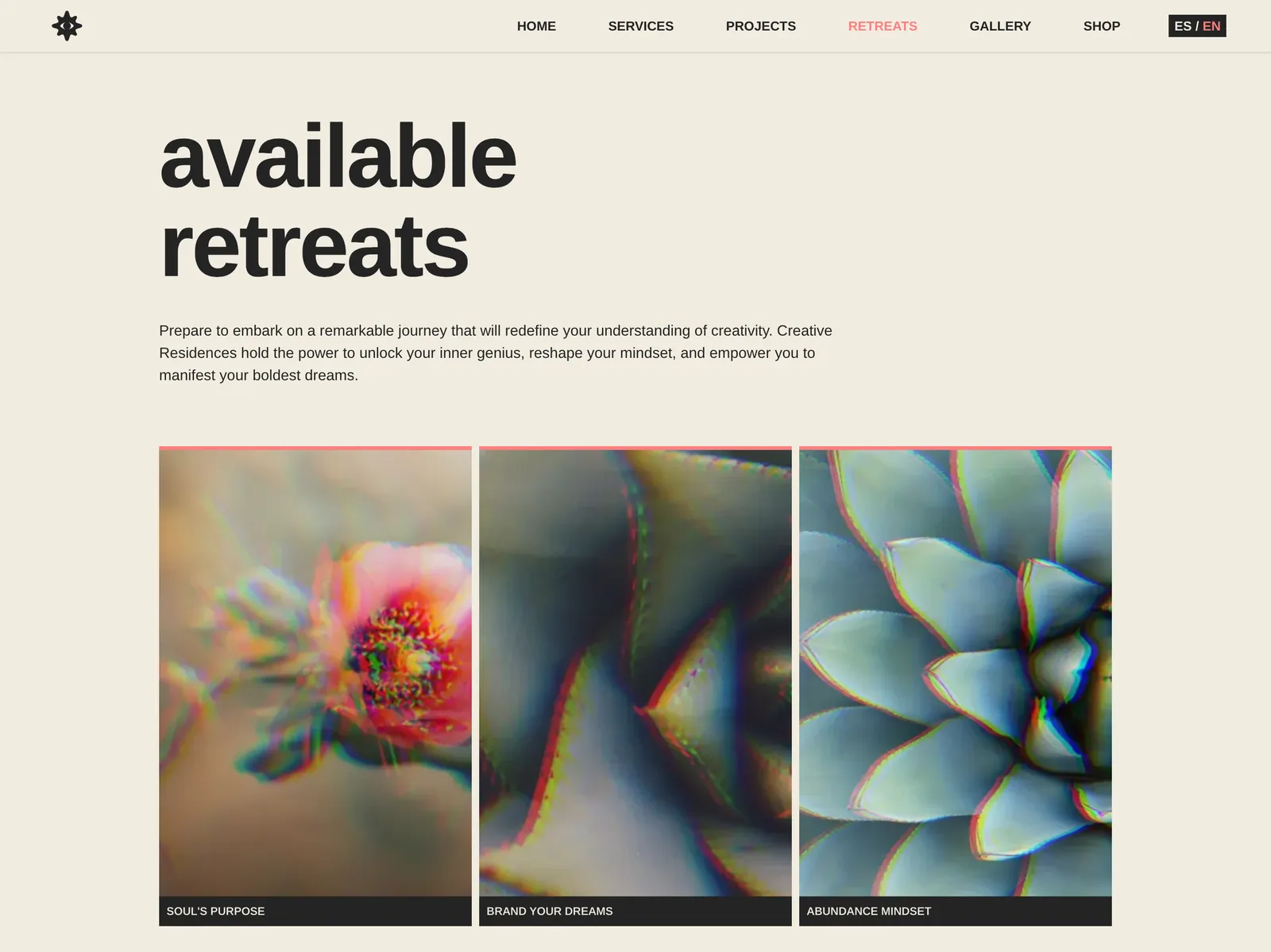
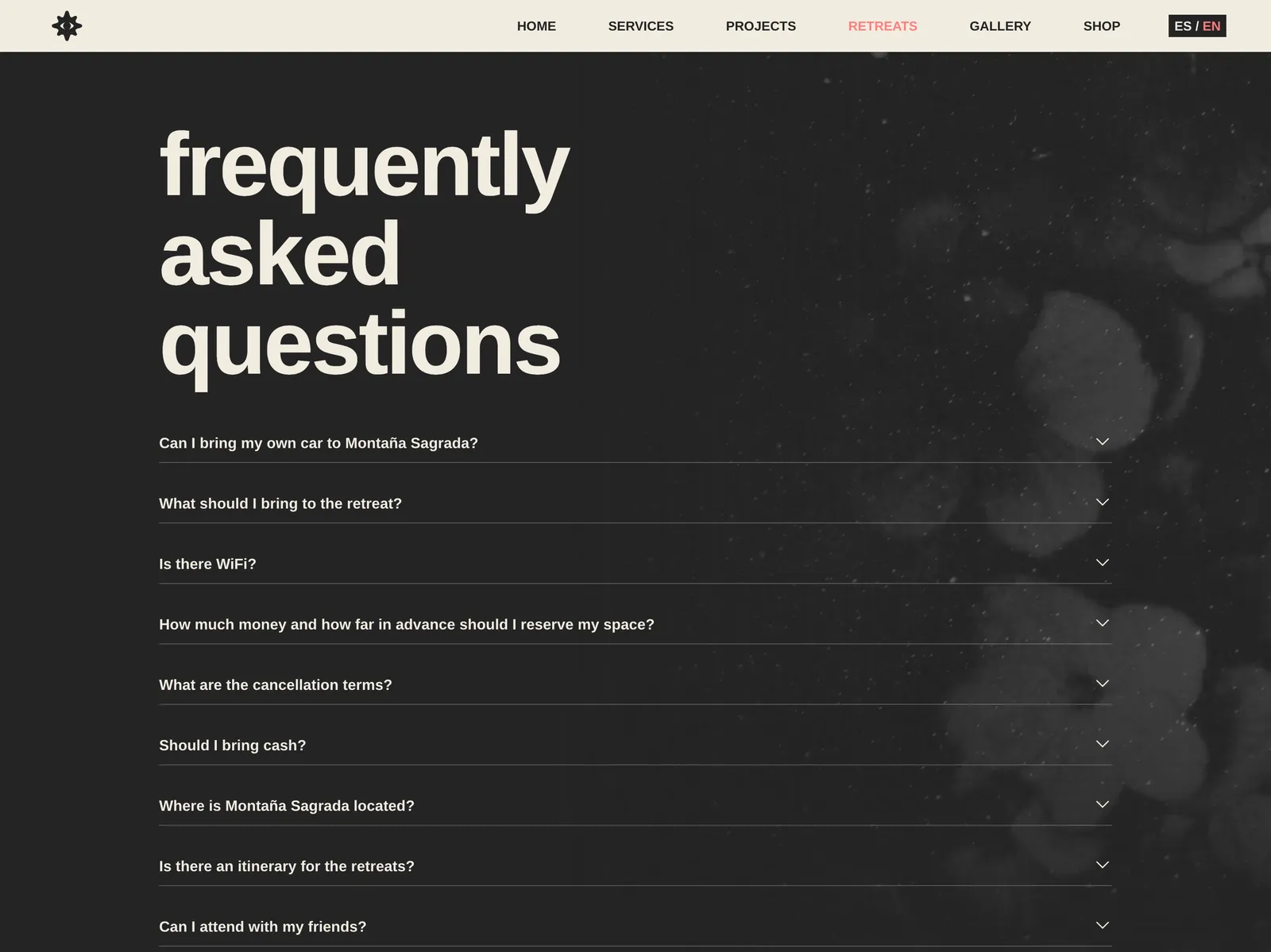
A website can be generated in thirty seconds now. What can't be generated is a point of view — knowing precisely what to say and caring enough to say it precisely. Melisa's site isn't a template with her name on it. The art direction, the typography, the spacing: all of it is specific to her, and all of it was argued over.
Building for users who never see the implementation is one skill. Building for a designer who notices every detail is another. This project is where I learned the second one.
Screenshots